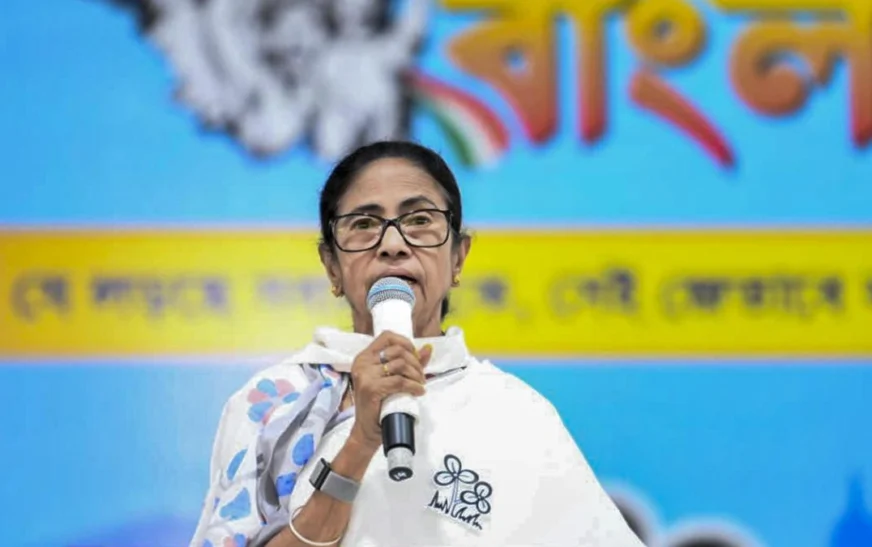


West Bengal Assembly Election Results 2026 have redrawn the state’s politics as the BJP‑led alliance ended 15 years of Trinamool Congress rule, with Chief Minister Mamata Banerjee’s dominance collapsing into a decisive defeat in the 294‑seat Assembly. The counting on May 4 confirmed that the Bharatiya Janata Party, along with allies, has crossed the 147‑seat majority mark, while the TMC‑led bloc slumped into the 90‑plus‑seat band, marking the end of the “Mamata raj” era in Bengal.
Final verdict and seat‑wise shift
The BJP‑led NDA has secured a clear majority in the West Bengal Assembly, with multiple live‑tally and post‑count snapshots showing the saffron‑camp well above 170–195 leads at peak counting, comfortably breaching the halfway‑mark of 147–148. The Trinamool Congress, which had governed the state since 2011, finished in the 100‑ish range, with the Left and Congress‑front outfits confined to a handful of seats, underscoring that Bengal’s politics has now crystallised into a bipolar TMC‑BJP system.
The BJP’s gains in traditional TMC bastions such as Kolkata, Howrah, and the Presidency‑region constituencies signalled a fundamental realignment, as the party breached the urban core that had long been off‑limits to the saffron camp. The scale of the shift is comparable to the 1977 Left‑Front breakthrough, heralding a new era of Hindu‑consolidation‑plus‑national‑centric governance in the state.
Bhabanipur, Nandigram, and the Modi‑Mamata‑Suvendu triangle
The high‑profile Bhabanipur Assembly seat, where Mamata Banerjee faced BJP’s Suvendu Adhikari, turned into a symbolic micro‑battle that mirrored the larger verdict. Early‑round counting showed Adhikari ahead, reflecting the BJP‑push into the CM’s heartland, though Mamata ultimately retained the seat even as the BJP‑NDA scripted a statewide majority. The Nandigram contest, another prestige‑battle, also favoured the BJP‑backed Suvendu, consolidating the party’s hold on this once‑TMC‑stronghold.
Prime Minister Narendra Modi, BJP national leaders, and West Bengal Chief Minister‑designate Suvendu Adhikari framed the outcome as a verdict of “Hindu consolidation” and public rejection of TMC‑rule, while the Trinamool leadership blamed voter‑roll‑cleanse and “central‑interference” for the rout. The Modi‑Mamata‑Adhikari axis now defines Bengal’s political storyline, with the BJP‑camp emboldened and the TMC forced into a rebuild‑mode.
Record turnout and voter‑behaviour trends
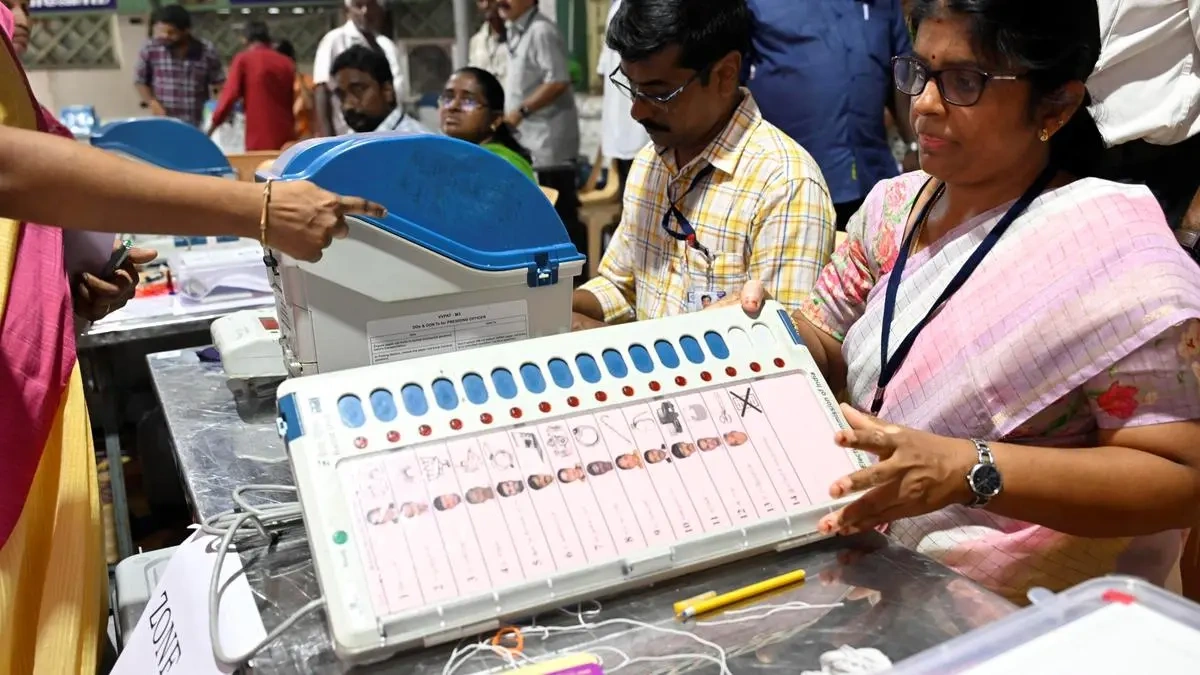
West Bengal recorded a record‑high turnout of about 92–93 per cent, the highest ever in an Assembly‑level poll, underscoring the electorate’s intense engagement in the TMC‑BJP face‑off. The Special Intensive Revision (SIR) of electoral rolls that deleted nearly 90 lakh names did not dampen participation, as voters in rural and urban belts flocked to the polls, driven by agrarian‑grievances, job‑creation demands, and security‑related narratives.
The BJP’s campaign, centred on nationalism, anti‑infiltration, and anti‑corruption, resonated with Hindu‑majority pockets and sections of the urban middle class, while the TMC’s welfare‑focused and “Bengali‑pride” narrative lost its dominant purchase. The verdict reflects a qualitative shift in Bengal’s politics, aligning the state more closely with the Modi‑era map and ending the notion of an “impregnable Mamata‑fortress.”
Implications for Bengal and national politics
The West Bengal Assembly Election Results 2026 herald the end of Mamata Banerjee’s 15‑year rule and the beginning of a BJP‑led government that will likely be led by Suvendu Adhikari or a key BJP‑Bengal‑centric chief. The outcome signals that the BJP’s polarised‑messaging and organisational‑push can now dislodge a strong regional incumbent in a complex, multi‑identity state, reshaping the federal balance.
At the national level, the verdict reinforces the BJP’s narrative of governance‑continuity and consolidates its claim to represent the “new India” in historically Congress‑and‑Left‑dominated regions. For the Congress‑led INDIA‑bloc, the result underscores the need to rebuild in the eastern belt and recalibrate its leadership‑and‑alliance‑strategy ahead of the next Lok Sabha elections.