
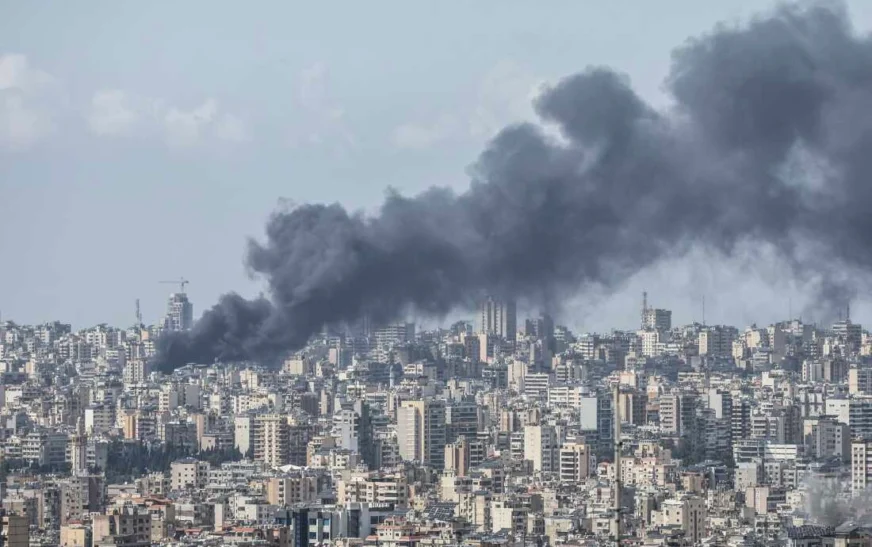
A temporary pause in military operations has brought a measure of relief to the ongoing conflict involving Iran, Israel, and the United States, but the situation across the Middle East remains highly volatile. Although large-scale strikes have eased in recent days, diplomatic negotiations have yet to produce a lasting breakthrough, leaving governments and global markets closely monitoring every development.
The conflict has had far-reaching consequences, affecting regional security, international shipping, and global energy markets. Policymakers worldwide continue to assess the risks of renewed escalation while encouraging diplomatic engagement.
Strait of Hormuz Remains a Strategic Flashpoint
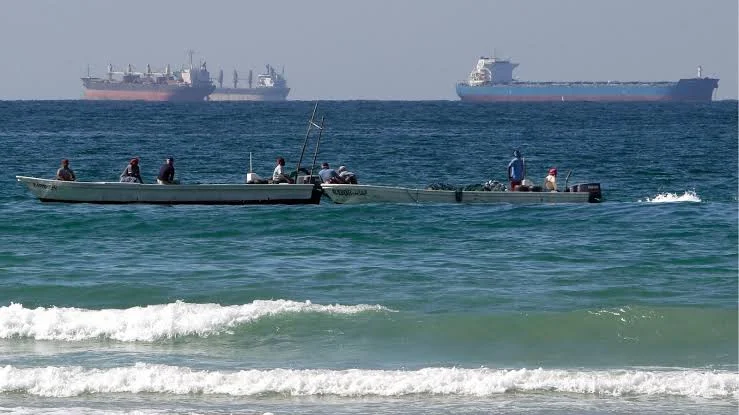
The Strait of Hormuz, one of the world’s most important maritime trade routes, continues to be at the centre of international attention. A significant share of global crude oil and liquefied natural gas exports passes through the narrow waterway, making any disruption a matter of global concern.
Although hopes of restoring normal shipping operations have increased following the recent pause in hostilities, commercial traffic through the strait remains below normal levels as shipping companies continue to exercise caution due to security risks.
Diplomatic Efforts Continue Despite Uncertainty
The temporary reduction in military activity has renewed hopes for diplomatic engagement between Washington and Tehran. However, analysts caution that the pause remains fragile, with both sides maintaining military preparedness while negotiations continue.
The conflict has also expanded beyond direct military confrontations, influencing maritime security in the Gulf and the Red Sea, where attacks on commercial vessels have further complicated international shipping operations.
Oil Prices React to Signs of De-escalation
Global energy markets responded positively to the temporary pause in hostilities. Brent crude and West Texas Intermediate (WTI) prices fell sharply after investors interpreted the absence of new attacks as a possible step toward reducing geopolitical tensions.
Market analysts note that easing concerns over disruptions in the Strait of Hormuz have helped improve investor sentiment. However, they warn that any renewed military escalation could quickly reverse recent gains and send crude oil prices higher once again.
Global Shipping Industry Remains Cautious
Despite the diplomatic opening, shipping companies and insurers continue to adopt a cautious approach. Vessel operators remain concerned about maritime security risks, while insurance premiums for ships operating in the Gulf region continue to reflect heightened geopolitical uncertainty.
The continued slowdown in commercial traffic has also affected supply chains, prompting governments and businesses to monitor developments closely to avoid disruptions in fuel and commodity supplies.
International Community Calls for Lasting Peace
Governments across Europe, Asia, and the Middle East have urged all parties to pursue diplomatic solutions rather than military confrontation. Energy-importing nations, including several Asian economies that depend heavily on Gulf oil supplies, are particularly concerned about maintaining uninterrupted maritime trade.
Experts believe that restoring confidence in shipping through the Strait of Hormuz will be essential not only for stabilising energy markets but also for easing broader inflationary pressures affecting the global economy.
Outlook Remains Uncertain
Although the current pause in military operations has reduced immediate fears of a wider regional conflict, the situation remains fluid. Diplomatic talks continue alongside heightened military readiness, meaning the risk of renewed escalation cannot be ruled out.
For now, governments, businesses, and financial markets remain focused on developments in the Strait of Hormuz, where stability will play a critical role in determining the direction of global energy prices and regional security in the weeks ahead.