
Why emotional resilience is becoming as important as education in shaping the nation’s future
By the Editorial Desk | Namo Bharat Times
India’s greatest strength has long been described as its young population. With nearly two-thirds of the country below the age of 35, this demographic dividend is expected to drive innovation, economic growth, and national development. Yet beneath this optimism lies a growing concern that deserves far greater public attention—the declining emotional well-being of young people and the consequences it carries for society.
Mental and emotional health is no longer merely a medical issue. It has become a social, educational, and national concern.
An Emotionally Exhausted Generation
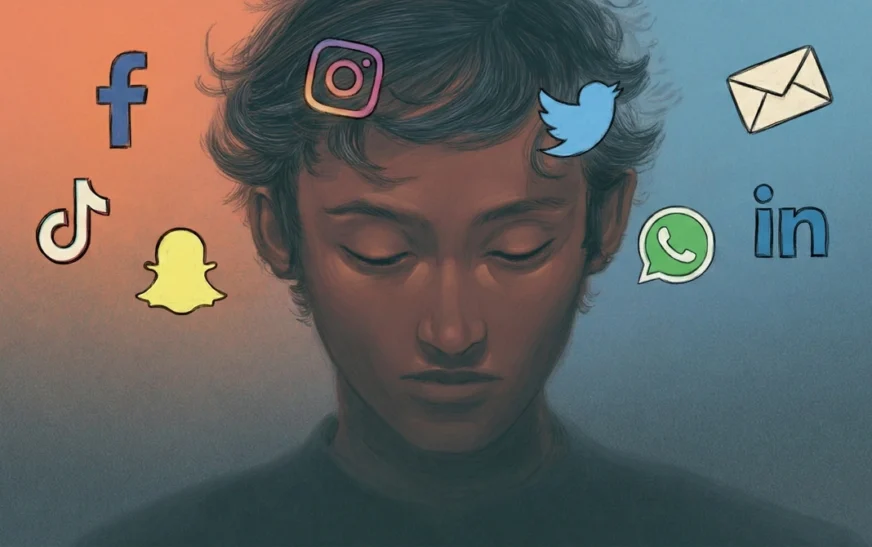
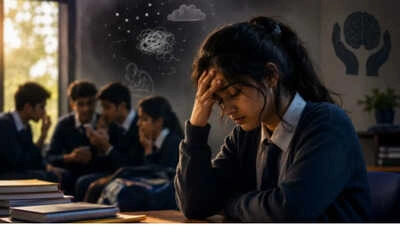
Today’s youth are growing up in an era unlike any before. They face academic competition, career uncertainty, financial pressures, social comparison, and constant digital engagement. Success is measured not only by performance but also by online visibility, public validation, and the pressure to maintain an image of perfection.
While access to information has increased dramatically, emotional resilience has not necessarily grown at the same pace. Many young people are equipped with technology but not always with the coping mechanisms required to navigate disappointment, rejection, failure, or uncertainty.
The result is a generation that is often connected digitally but isolated emotionally.
The Rising Cost of Emotional Distress
Mental health professionals have repeatedly warned that emotional distress, when left unaddressed, can contribute to anxiety, depression, substance misuse, and suicidal behaviour. India’s young population continues to account for a significant proportion of suicide deaths, making early intervention and emotional support a national priority.
Emotional well-being is not simply about feeling happy. It is the foundation of sound judgement, resilience, and the ability to make informed decisions under pressure.
When Emotions Replace Critical Thinking
An emotionally vulnerable individual may also become more susceptible to influence.
Whether it involves online scams, drug abuse, alcohol dependency, extremist messaging, or emotionally charged public campaigns, individuals experiencing stress or isolation may be more likely to seek belonging, identity, or purpose wherever it appears to be offered.
This does not mean that young people who participate in public movements lack independent thought, nor does it mean that every protest or campaign is driven by misinformation. Many youth movements are motivated by genuine concerns and play an important role in democratic societies. However, rapid mobilisation through social media also means that people can sometimes join causes without fully understanding the background, objectives, or competing perspectives surrounding an issue. Recent reporting on youth-led demonstrations around Jantar Mantar illustrates how social media can quickly transform campaigns into large public gatherings.
The lesson is not to discourage civic participation. It is to encourage informed participation.
The Algorithm Is Not an Editor
For many young Indians, social media has become the first source of news.
Algorithms reward emotionally engaging content, not necessarily the most accurate or balanced information. Studies have shown that misinformation can spread rapidly online and may contribute to anxiety, confusion, and polarisation.
Before supporting any campaign—whether political, social, commercial, or ideological—young citizens should ask:
- What are the verified facts?
- Who organised this campaign?
- Are multiple credible sources reporting the same information?
- What are the long-term implications of participation?
These questions strengthen democracy rather than weaken it.
Building Emotionally Strong Citizens
The responsibility for improving emotional well-being does not rest solely with young people.
Families must encourage open conversations without stigma. Schools and colleges should integrate emotional literacy, stress management, and media literacy into education. Employers should foster psychologically healthy workplaces. Governments, healthcare systems, and civil society all have a role in expanding access to counselling and mental health support.
Just as importantly, young people should feel empowered to seek help early. Asking for support is a sign of maturity, not weakness.
A Strong Nation Begins with Strong Minds
India’s future will not be determined only by GDP, technology, or infrastructure. It will also depend on whether its young citizens possess the emotional resilience to think independently, verify information carefully, reject harmful influences, and contribute positively to society.
The country’s demographic dividend will achieve its true potential only when intellectual growth is matched by emotional strength.
A generation that reads widely, questions responsibly, cares for its mental well-being, and makes informed decisions will always be more difficult to manipulate—whether by misinformation, addiction, or any force that seeks to exploit vulnerability.
India’s youth deserve more than opportunity. They deserve the emotional foundation to make the most of it.