
Why media literacy matters more than ever according to Journalist Palki Sharma Upadhyay
By Namo Bharat Times
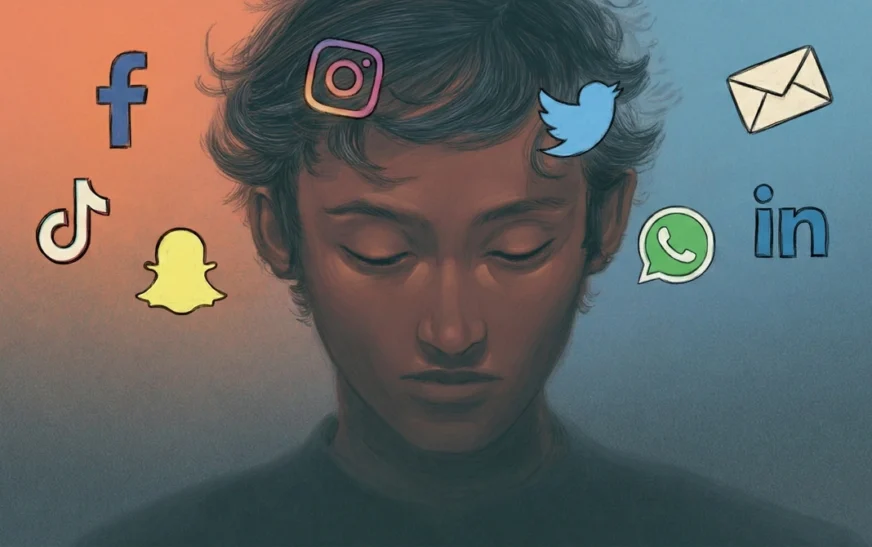
India’s youngest generation is more connected than any before it. News reaches their smartphones within seconds, opinions travel faster than facts, and social media has become the first source of information for millions of young people.
Journalist Palki Sharma Upadhyay has repeatedly highlighted the importance of understanding this changing information landscape. Speaking at public forums and in her commentary, she has warned against allowing algorithms to become our primary editors, arguing that people should actively seek information rather than passively consume whatever appears in their feeds.
Social Media Is Not the Same as News
There is no doubt that social media has democratized information. It has given ordinary citizens the ability to document events in real time and participate in public conversations.
However, the same platforms can also amplify rumours, edited videos, fabricated claims and emotionally charged narratives. Research has consistently shown that false information can spread rapidly on social media because it is often designed to attract attention and encourage sharing.
This makes it essential for readers to distinguish between verified journalism and viral content.
The Challenge for Gen Z
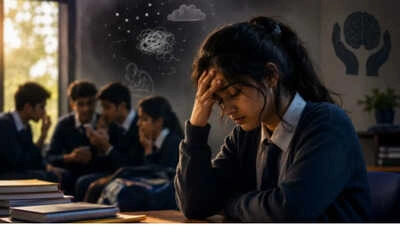
Generation Z has grown up in a digital-first environment. Many young people discover current affairs through short videos, reels, memes and influencers before they ever encounter a detailed news report.
That does not mean young people are uninformed. Rather, it means the format of information has changed. The challenge is ensuring that speed does not replace accuracy and that opinions are not mistaken for verified facts.
Media literacy—checking sources, comparing reports and reading beyond headlines—is becoming as important as digital literacy itself.
Think Before You Share
In recent years, India and many other countries have witnessed moments where social media has played a major role in shaping public debate around protests and public movements. Coverage from established news organisations shows that online platforms can rapidly mobilise people, but they can also become spaces where misinformation and competing narratives spread quickly.
For young citizens, this reinforces an important principle: before sharing or acting on information, verify it through multiple credible sources.
An Informed Generation Is a Strong Generation
Palki Sharma has often argued that journalism’s role is to provide context rather than simply chase viral trends. Her broader message encourages audiences to read widely, question confidently and avoid outsourcing their thinking to algorithms.
For Gen Z, the lesson is simple: social media can be an excellent starting point, but it should not be the final destination for understanding public affairs.
Democracy benefits when citizens are informed, curious and willing to examine multiple perspectives before reaching conclusions. In an era of information overload, critical thinking may be the most valuable skill of all.