
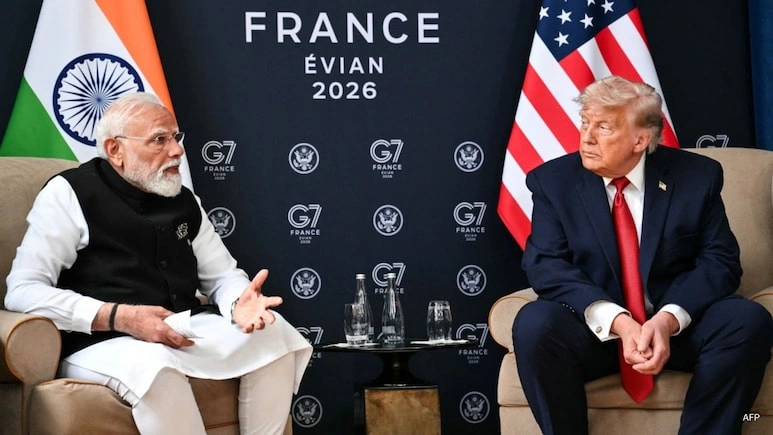
US President Donald Trump has announced a new round of import tariffs targeting countries that Washington says have not done enough to prevent goods produced using forced labour from entering global supply chains. The new policy affects 60 trading partners, including India, and imposes tariff rates ranging from 10% to 12.5% on imports into the United States.
Under the revised tariff structure, India will face a 10% tariff, one of the lower rates announced under the new policy. The Trump administration has said the measure is intended to encourage stronger enforcement of laws prohibiting goods made with forced labour.
Why Has the US Imposed These Tariffs?
The tariffs have been introduced under Section 301 of the US Trade Act of 1974, following an investigation into forced labour enforcement by America’s trading partners. According to the US administration, countries that fail to effectively restrict imports linked to forced labour create unfair competition for American businesses and workers.
The move also follows a legal setback earlier this year, when previous global tariffs imposed under emergency powers were struck down by the US Supreme Court. The new framework is designed to provide a stronger legal basis for continuing Trump’s trade policy.
How Could India Be Affected?
Although India has been assigned the lower 10% tariff, the new duties could increase the cost of Indian products in the US market, potentially affecting exporters in sectors such as textiles, engineering goods, chemicals, gems and jewellery, and other manufacturing industries.
Trade experts believe Indian exporters may face increased pricing pressure, particularly in highly competitive sectors where even modest tariff increases can reduce competitiveness. However, India’s lower tariff rate compared with countries facing 12.5% duties may help limit the overall impact.
India’s Position
India has previously rejected allegations that it fails to address forced labour, stating that eliminating forced labour is a constitutional commitment and an important international obligation. Indian officials have also defended the country’s labour laws and enforcement mechanisms during consultations with US trade authorities.
The tariff announcement comes as New Delhi and Washington continue discussions on broader trade and economic cooperation.
Global Reaction
Several countries, including members of the European Union and other US trading partners, have criticised the new tariff regime, arguing that it is unjustified and could disrupt international trade. Some governments are considering diplomatic or legal responses, while others are reviewing their labour enforcement policies in light of the US decision.
What Happens Next?
The tariffs have now come into effect and are expected to influence trade flows between the United States and dozens of economies. For India, the immediate challenge will be ensuring that exporters remain competitive while continuing trade negotiations with Washington.
Industry groups are expected to closely monitor the implementation of the new policy and assess its impact on export volumes, supply chains, and bilateral trade. As discussions continue, businesses on both sides will be watching for any future revisions or exemptions that could ease the burden of the new tariff regime.