
West Bengal Assembly Election Result 2026 has delivered a high‑stakes verdict in the long‑running duel between Chief Minister Mamata Banerjee’s Trinamool Congress (TMC) and the BJP‑led opposition, with the state’s political map shaped by a bipolar contest that has dominated the campaign narrative. The counting across 293–295 Assembly seats revealed that the TMC‑led alliance has retained power, though with a narrower margin, as the BJP made significant inroads in South Bengal, Kolkata, and the eastern‑belt constituencies.
Overall seat‑wise picture and vote share
The TMC‑led alliance has crossed the 148‑seat majority mark needed in the 294‑seat Assembly, ensuring Mamata Banerjee a third consecutive term but with a reduced cushion compared with the near‑two‑thirds dominance of 2021. The BJP‑led bloc, which had pushed its vote share into the 40‑plus per cent band in key regions, translated this into a seat‑tally above 130, cementing its status as the principal opposition party and the only force capable of challenging the incumbents on a near‑equal footing.
Smaller formations such as the Left‑Congress‑linked front were largely reduced to double‑digit influence, underscoring that West Bengal’s politics has now consolidated into a TMC‑BJP‑centric system where third‑option narratives struggle to translate into legislative strength. The BJP’s gains in South Bengal and the industrial belt around the Siliguri‑Kolkata‑corridor signal that the party is moving beyond its core western‑frontier base.
Bhabanipur: Mamata vs Suvendu face‑off
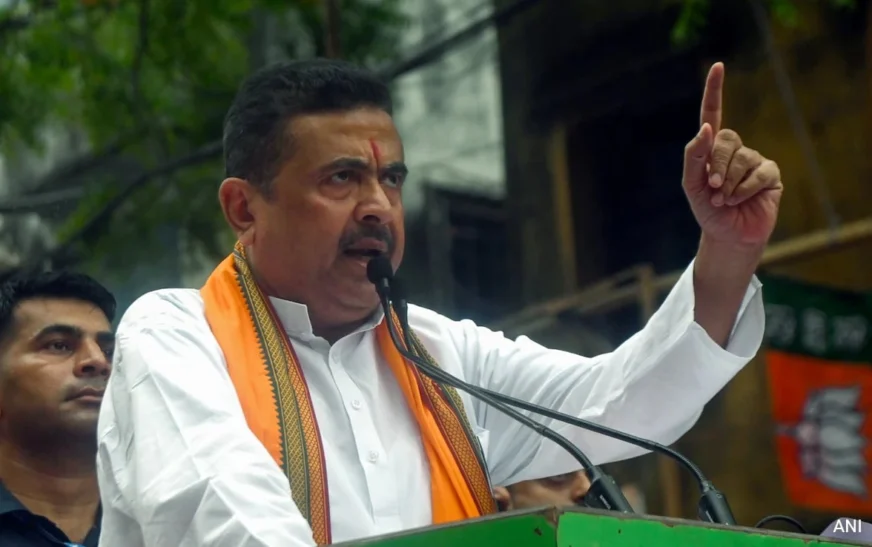
The Bhabanipur Assembly constituency has become the symbolic heart of the 2026 battle, with Mamata Banerjee contesting against BJP’s Suvendu Adhikari, the man who defeated her in Nandigram five years ago. Early‑round counting trends and live‑tally snapshots showed Suvendu edging ahead in the first few rounds, turning the seat into a prestige‑and‑narrative‑centred contest as much as a seat‑wise fight.
For the TMC, limiting the BJP’s lead in Bhabanipur and maintaining a comfortable margin in other Kolkata‑district seats will be read as proof that the party’s welfare‑centric, Bengali‑identity‑anchored politics still holds sway in the capital belt. For the BJP, narrowing the TMC’s traditional dominance in Bhabanipur would be treated as a strategic breakthrough, even if the party stops short of flipping the seat outright.
Turnout and voter‑behaviour patterns
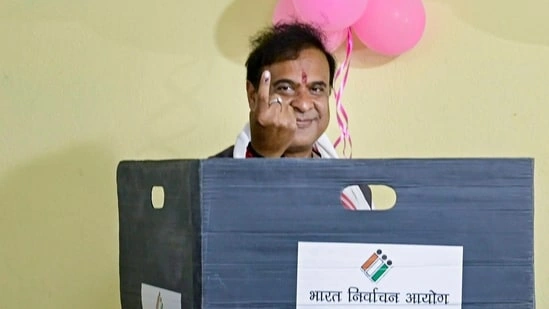
West Bengal recorded its highest Assembly‑poll turnout since independence, around 92 per cent, with Phase II polling at 91.66 per cent and Phase I at 93.19 per cent, reflecting an electorate intensely engaged in the TMC‑BJP contest. The Election Commission noted that the record‑level participation, combined with the heated campaign‑rhetoric and subsequent EVM‑related complaints, kept tensions high till counting day.
Voters gravitated between the TMC’s narrative of welfare‑schemes, continuity, and “protection of Bengali interests” on one side and the BJP’s emphasis on national‑security, anti‑infiltration, and anti‑corruption on the other. The BJP’s consolidation in certain Hindu‑majority pockets and the relative dip in the Left‑Congress‑combined vote share indicate that the state’s politics has shifted toward a binary‑choice framework, with identity‑centric and performance‑centric issues closely intertwined.
National implications and the Modi‑Mamata dynamic
The West Bengal Election Result 2026 cements Mamata Banerjee’s position as the central figure in the state’s politics while also confirming the BJP’s emergence as a durable challenger rather than a flash‑in‑the‑pan opposition. For the BJP, the outcome validates its strategy of combining central‑level identity‑and‑nationalism‑framed messaging with granular local‑organisation in key assembly‑battlegrounds, though the party is now under pressure to convert vote‑share gains into a full‑fledged majority in the next cycle.
At the national level, the verdict underlines the difficulty Prime Minister Narendra Modi’s party faces in dislodging a strong regional incumbent in a complex, multi‑identity state, even with a massive campaign‑machinery. For the broader INDIA‑bloc, Bengal remains heavily personalised around Mamata, complicating the project of a pan‑India‑centred anti‑BJP coalition‑building.