
Women Reservation Bill India | Nari Shakti Vandan Adhiniyam | Parliament Debate | BJP Congress Stand
All Eyes on Parliament as Debate Intensifies
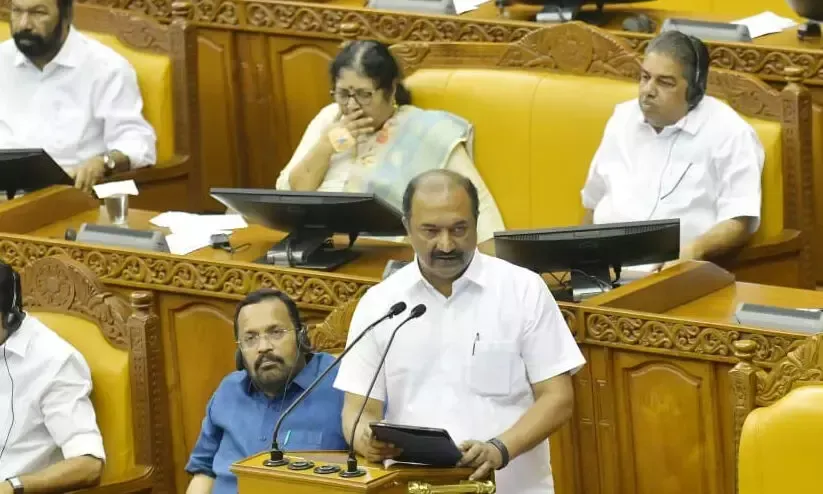
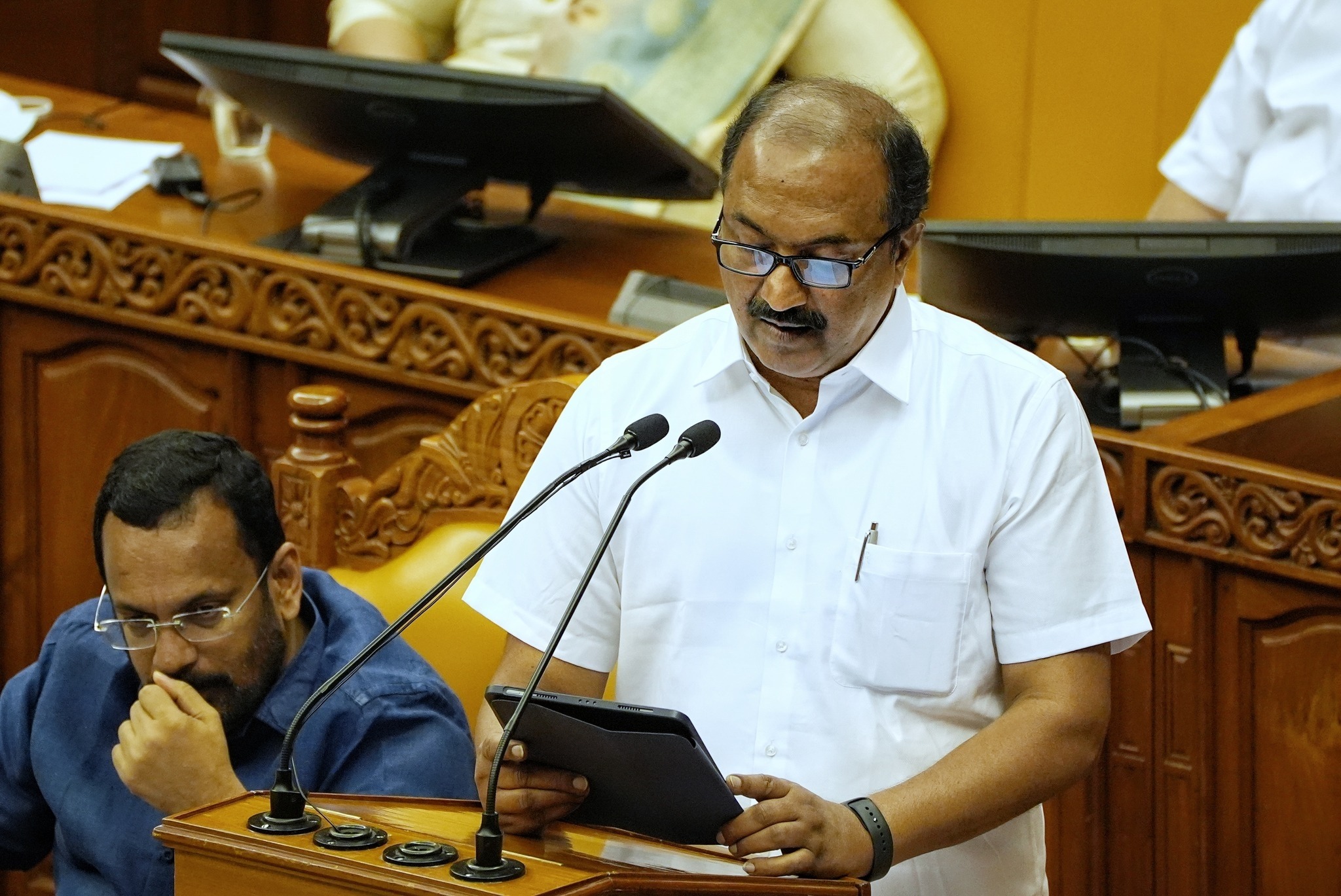
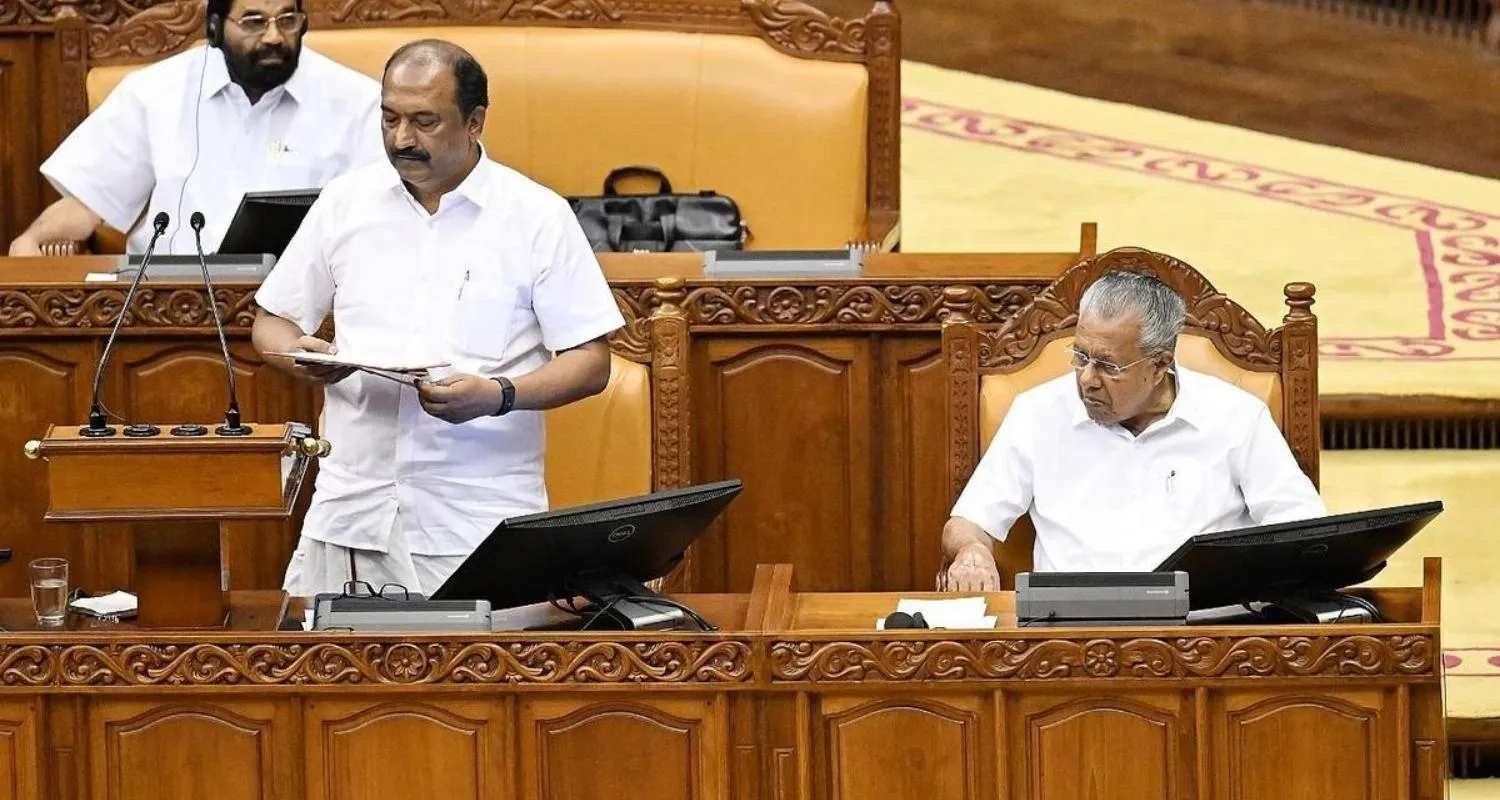
India is set to witness a crucial legislative moment today as Parliament takes up discussions on the Nari Shakti Vandan Adhiniyam, widely known as the Women’s Reservation Bill. The proposed law seeks to reserve 33% of seats in the Lok Sabha and State Legislative Assemblies for women, aiming to address long-standing gaps in political representation.
The debate comes amid heightened political engagement, with both ruling and opposition parties outlining their positions ahead of what could be a defining vote.
BJP Pushes for Swift Implementation
The ruling Bharatiya Janata Party has positioned the bill as a landmark reform in India’s democratic journey. Senior leaders, including Narendra Modi, have emphasized that increasing women’s participation is essential for inclusive governance.
The government has indicated its intent to move forward decisively, framing the bill as part of a broader vision of women-led development.
Opposition Support with Conditions
Opposition parties, including the Indian National Congress, have broadly supported the principle of women’s reservation. However, several leaders have raised concerns over the bill’s implementation framework.
Key issues flagged include the linkage with delimitation and census processes, with opposition members arguing that such conditions could delay actual execution. Some parties have also called for clarity on sub-quotas and representation across social categories.
A Rare Convergence Amid Political Differences
Despite disagreements on process, there appears to be a rare convergence on intent. Across party lines, leaders have acknowledged the need to enhance women’s representation in legislative bodies.
This alignment, however, will be tested on the floor of Parliament, where procedural debates and political strategy often shape final outcomes.
Will the Government Secure Majority Backing?
With the ruling alliance holding significant numerical strength, the government is well-positioned to push the bill forward. However, as a constitutional amendment, the legislation requires broad-based support across parties, making opposition backing crucial.
Political observers note that while outright rejection remains unlikely, negotiations around implementation details could influence the pace and form of the bill’s rollout.
What Passage Could Mean for Governance
If the bill is successfully advanced and implemented, it would mark a historic shift in India’s political structure, significantly increasing women’s presence in decision-making roles.
The developments in Parliament today are expected to shape not just immediate legislative outcomes, but also the future trajectory of gender representation in Indian governance.