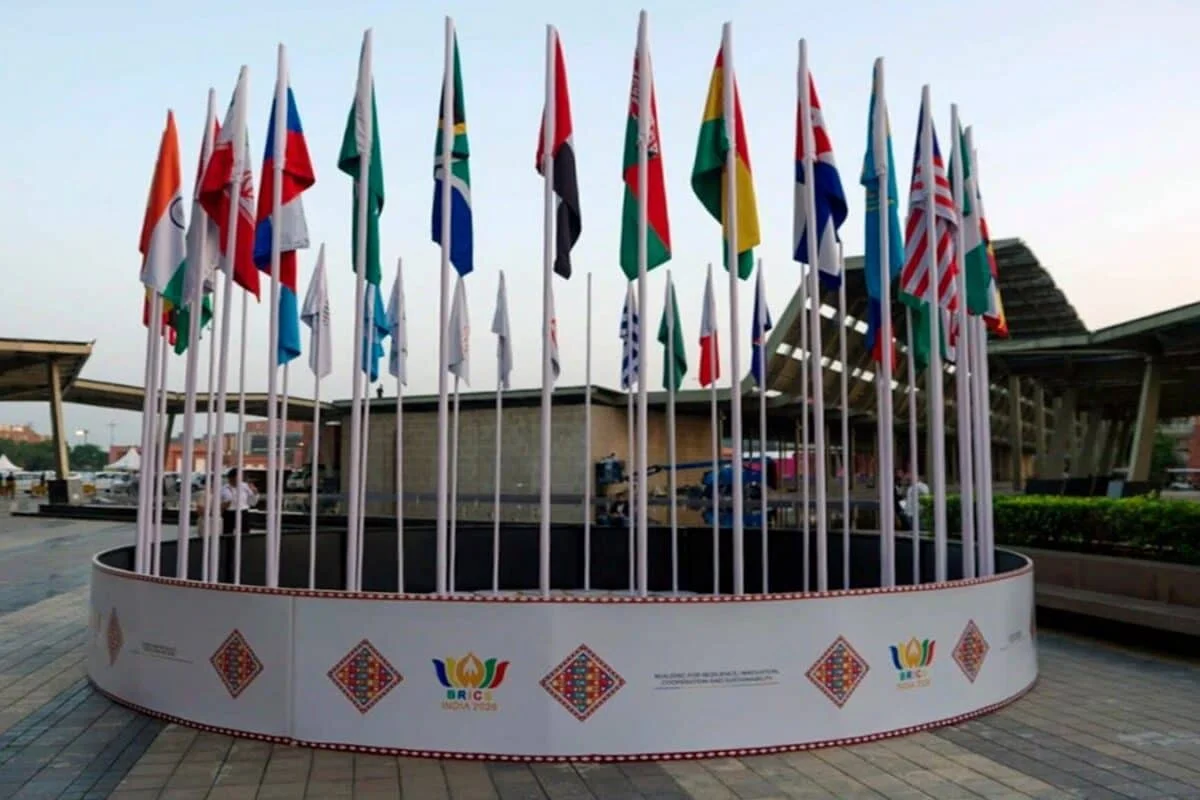

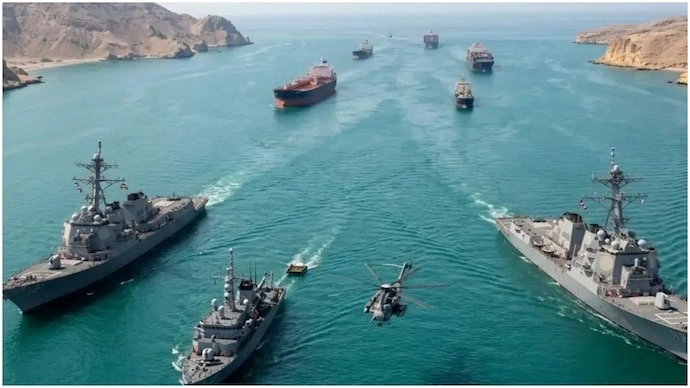
India’s UN envoy Parvathaneni Harish on April 16, 2026, condemned attacks on commercial shipping in the Strait of Hormuz as “unacceptable,” demanding swift restoration of safe passage amid West Asia’s escalating US-Iran conflict. The strait, handling 20% of global oil, remains disrupted since Iran’s February closure in retaliation to US-Israel strikes, threatening India’s economic stability.
India’s Firm Stance at UNGA Debate
Addressing the UN General Assembly under the Veto Initiative on Middle East tensions, Harish stressed maritime security’s vital role in India’s energy imports and global trade. He called for restraint, de-escalation, and full respect for international law, including sovereignty and territorial integrity of all states.
“Targeting commercial shipping deplorable,” Harish stated, highlighting disruptions from Iranian mines, US blockade since April 12, and over 150 anchored vessels.
Hormuz Crisis Background
Iran’s IRGC closure breached UNCLOS transit rights, prompting US naval enforcement on Iranian port traffic while preserving non-Iranian navigation. Traffic plummeted 70-100%, spiking Brent crude and risking global recession.
China echoed India’s call for safe passage; UN experts urge arms suspensions amid 2,000+ deaths.
Kerala and India Economic Fallout
Kerala’s Kochi LNG terminal and refinery face $100B+ import risks from $103+ oil, inflating fuel/LPG costs and hitting tourism, IPL logistics. Modi’s diversification to Russia aids, but Hormuz stability crucial for 85% Gulf dependency.
India pushes dialogue for de-escalation; updates hinge on Islamabad talks revival.
Follow-ups
What percentage of India’s oil imports pass through Strait of Hormuz
How has Hormuz closure impacted India’s oil prices
What alternative oil routes is India considering
Details on PM Modi Macron call about Hormuz security
US Central Command policy on Hormuz navigation freedom