
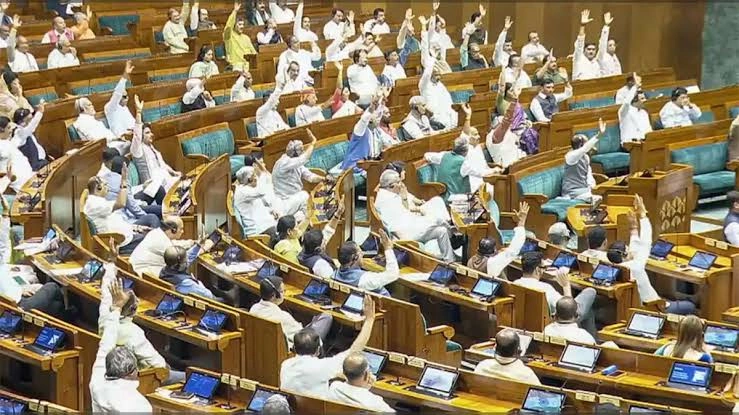
The Lok Sabha has passed the Public Examinations (Prevention of Unfair Means) Amendment Bill, 2026, introducing significantly stricter punishments for individuals and organised groups involved in examination paper leaks and other forms of public exam fraud. The Bill, cleared by a voice vote after a heated debate in the House, seeks to strengthen India’s legal framework against examination malpractices while ensuring faster investigations and trials.
The legislation comes in the wake of the NEET-UG 2026 paper leak controversy, which triggered nationwide protests and renewed demands for stronger safeguards to protect the integrity of competitive examinations. The government has described the amendment as a major step towards safeguarding the future of millions of students.
Key Changes in the Anti-Paper Leak Bill
The amended law introduces several stringent provisions aimed at deterring examination fraud.
Key highlights include:
- Imprisonment of 5 to 10 years for individuals found guilty of paper leaks or using unfair means.
- Maximum fine increased from ₹10 lakh to ₹50 lakh for individual offenders.
- Organised examination crime syndicates can face 7 to 10 years of imprisonment along with fines of up to ₹10 crore.
- Service providers involved in examination fraud may be fined up to ₹5 crore and barred from conducting public examinations for eight years, doubling the earlier debarment period.
The government believes these enhanced penalties will serve as a strong deterrent against organised cheating networks.
Fast-Track Courts and Time-Bound Investigations
One of the most significant reforms in the amendment is the introduction of mechanisms to ensure speedy justice.
The Bill empowers the Central Government to establish a Special Task Force (STF) to investigate major examination fraud cases. It also mandates that investigations should be completed within two months.
In addition, Courts of Session can now be designated as Special Fast-Track Courts, with trials to be conducted on a day-to-day basis and completed within three months from the filing of the chargesheet. The legislation also provides for the appointment of Special Public Prosecutors for these cases.
Government Says Students’ Interests Are the Priority
During the parliamentary debate, Union Minister Dr. Jitendra Singh described the Bill as a reaffirmation of the government’s commitment to protecting students and ensuring transparency in public examinations.
He said the amendments were introduced to strengthen the existing 2024 law and restore public confidence in recruitment and entrance examinations following several high-profile paper leak incidents across the country.
Opposition Raises Concerns During Debate
Although most Opposition parties supported tougher action against paper leaks, several members questioned whether stricter punishments alone would solve the deeper systemic issues affecting India’s examination system.
Opposition leaders argued that stronger preventive mechanisms, greater accountability, and improvements in examination administration are equally important to prevent future leaks. The debate also witnessed disruptions over issues related to student protests and the government’s handling of the NEET controversy before the Bill was eventually passed.
Why the Bill Matters
India conducts thousands of public examinations every year for recruitment, admissions, and professional courses. Recent paper leak incidents have affected millions of students, raising concerns about the credibility of the examination system.
The amended legislation seeks to:
- Deter organised examination fraud.
- Protect deserving candidates.
- Ensure quicker investigations and trials.
- Increase accountability among examination agencies and service providers.
- Strengthen public trust in competitive examinations.
A Major Reform in Examination Governance
With the passage of the Anti-Paper Leak Bill in the Lok Sabha, the government has taken a significant step towards tightening India’s legal framework against examination fraud. By introducing harsher penalties, dedicated investigation mechanisms, and fast-track judicial processes, the legislation aims to improve transparency and fairness in public examinations.
The Bill is expected to play a key role in protecting the interests of students and reinforcing confidence in India’s competitive examination system as it moves forward in the legislative process.